Sustainable Solutions: How E-Waste Recycling Services Are Saving Our Planet
Electronic waste presents serious dangers to the environment, as disposed electronics frequently harbor hazardous substances. These hazardous substances can contaminate soil and water, causing extensive damage to surrounding ecosystems. E-waste recycling initiatives provide a practical answer. They serve the dual purpose of reclaiming precious materials and reducing contamination. Gaining insight into how these programs function and affect local communities is critical. The path to successful electronic waste management prompts vital discussions about personal accountability and communal efforts. What steps can be taken next?
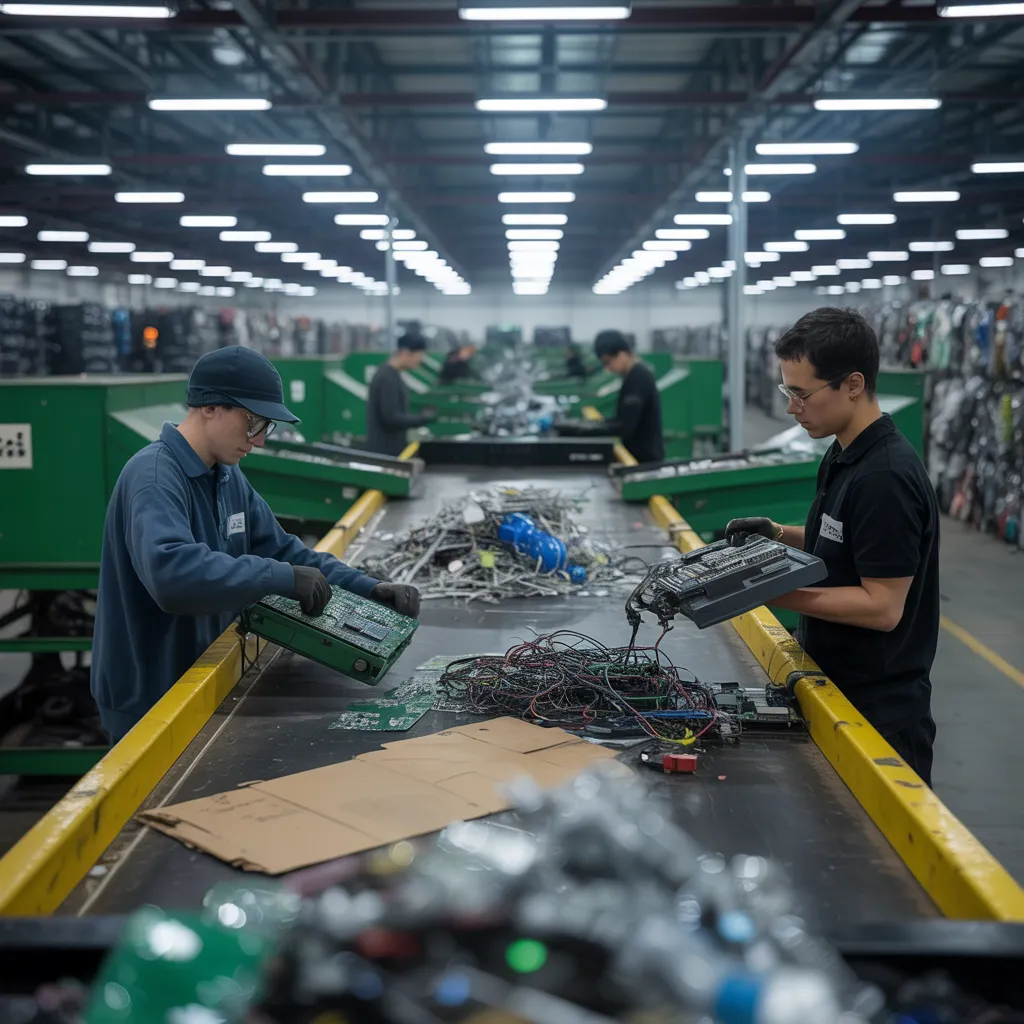
How E-Waste Is Hurting the Planet
While technological advancements improve our daily lives, e-waste creates serious threats to the environment. Abandoned electronic gadgets, often containing toxic substances including mercury, lead, and cadmium, are capable of seeping pollutants into the surrounding soil and water supply, presenting dangers to human health and ecosystems. The rapid pace of technological advancement results in greater consumer replacement of electronic devices, worsening the buildup of discarded electronic materials.
Landfills, already overwhelmed with refuse, find it difficult to handle the increasing amounts of discarded devices. Incineration, a common waste management technique, emits dangerous pollutants into the environment, degrading atmospheric conditions. Moreover, poor recycling procedures can cause e-waste to be sent to developing regions, where employees may disassemble electronics without sufficient safety precautions, leaving them vulnerable to harmful substances. This ongoing cycle of carelessness and inadequate management emphasizes the pressing necessity for responsible recycling initiatives that can lessen the harmful consequences of e-waste on our world.
What Is E-Waste and Why Does It Matter?
E-waste, or electronic waste, includes obsolete electronic products like smartphones, computers, and televisions that are no longer functional or needed. This growing category of waste is significant owing to its accelerating volume, fueled by innovation in technology and shifting consumer habits. With an increasing number of devices reaching obsolescence, the toll on the environment grows more severe, with dangerous elements including lead, mercury, and cadmium threatening both ecosystems and public health.
Addressing e-waste is crucial not only for reducing these dangers but also for acknowledging the precious materials found within it. Valuable metals and rare earth materials can be extracted and repurposed, lessening the demand for mining and preserving natural resources. By understanding e-waste and its implications, individuals and organizations can make informed decisions about disposal and recycling, ultimately contributing to a more sustainable future. Proper management of e-waste is essential for fostering a circular economy and promoting environmental stewardship.
The Way E-Waste Recycling Functions
The recycling of e-waste encompasses a systematic process designed to recover valuable materials while reducing harm to the environment. At the outset, e-waste is collected and transported to purpose-built recycling plants. Once there, the electronics are carefully categorized to distinguish harmful elements from reusable resources.
Subsequently, specialists dismantle the electronics, separating glass, metals, and plastics. This step is critical, as it makes possible the recovery of rare metals like gold, silver, and copper, which may be utilized in new electronic products.
Subsequently, the separated materials are processed via cutting-edge techniques, such as shredding and specialized chemical treatments, to cleanse them for recycling.
Finally, the residual hazardous materials are disposed of responsibly, complying with eco-friendly standards. This systematic method not only preserves valuable resources but also reduces the dangers associated with irresponsible electronic waste disposal, ensuring a more sustainable future for the consumption of electronics.
How E-Waste Recycling Benefits You and Your Community
Though many people are unaware, the advantages of e-waste recycling extend beyond personal convenience to positively impact entire communities. By responsibly disposing of electronic waste, individuals contribute to a healthier environment, minimizing hazardous materials that can leach into soil and water. This responsible method works to protect local ecosystems and advances public health.
In addition, electronic waste recycling supports job creation within communities. Nearby recycling establishments regularly need employees for numerous tasks, from collection to processing, therefore offering work opportunities to area workers. This not only stimulates the local economy but also inspires community dedication to sustainable efforts.
Moreover, understanding Click here of e-waste recycling may result in educational initiatives, equipping residents to pursue greener alternatives. By engaging with e-waste recycling programs, individuals cultivate a culture of sustainability, inspiring others to embrace similar practices. Ultimately, the collective impact of these actions can lead to a more resilient and environmentally responsible community.
Tips for Choosing an E-Waste Recycling Service
Selecting the best e-waste disposal service is crucial for making sure that e-waste is managed in a responsible and sustainable manner. To begin, consumers should confirm the company's certifications, such as R2 and e-Stewards certifications, which demonstrate adherence to professional guidelines for secure waste disposal procedures. It is equally important to examine the company's standing by reviewing feedback and seeking referrals from reliable sources.
Next, transparency in the recycling process is vital. A reliable provider should provide clear information about how e-waste is processed and what becomes of the materials. Additionally, evaluating the range of services offered can be beneficial; various firms may supply retrieval services or extend benefits for recycling.
Ultimately, understanding area-specific requirements for e-waste disposal can further guide the selection process. By prioritizing these factors, individuals can contribute to efficient electronic waste handling alongside encouraging green and responsible behaviors.
Ways You Can Participate in E-Waste Recycling?
Getting involved with e-waste recycling often starts at the local level, where community recycling hubs often provide essential services for proper disposal. Moreover, joining community awareness campaigns can amplify efforts to raise awareness about the importance of proper e-waste handling. These actions not only advance environmental sustainability but also cultivate a collective sense of responsibility toward the environment.
Local Recycling Centers
Several neighborhood recycling stations serve a vital function in the recycling of e-waste, providing communities with accessible options to manage electronic waste appropriately. These facilities handle a wide array of electronic devices, including outdated computers, mobile phones, and TVs, ensuring that harmful materials are handled safely. Many hubs feature qualified professionals who support individuals in understanding proper disposal practices, stressing the significance of recycling instead of landfilling. In addition, several stations organize drop-off events or designated collection days, allowing residents to take part with ease. By taking advantage of these neighborhood resources, individuals contribute to a circular economy, minimizing ecological impact and fostering sustainable behaviors. Connecting with these stations allows communities to address e-waste pollution proactively.
Community Awareness Campaigns
Local organizations, schools, and businesses can collaborate to host events that promote e-waste collection drives. Dedicated participants can take a leading part in promoting knowledge, handing out educational content, and interacting with the surrounding community. As a result of these combined actions, local inhabitants gain greater awareness and encouragement to properly recycle their e-waste, ultimately contributing to a more sustainable future.
Answers to Your Most Common Questions
What Types of Electronics Can Be Recycled?
Various electronics may be recycled, including smartphones, computers, laptops, televisions, printers, and gaming consoles. Additionally, peripherals such as batteries, keyboards, and mice are equally appropriate for recycling, aiding in environmental conservation efforts.
Are There Any Costs Associated With E-Waste Recycling?
Yes, e-waste recycling can include fees, based on the provider. Some service centers impose charges for pickup or handling, while some providers provide no-cost solutions, frequently supported by the proceeds from salvaged materials.
How Do Businesses Gain From E-Waste Recycling?
Businesses can benefit from e-waste recycling by reducing disposal costs, enhancing their environmental image, adhering to regulatory requirements, recovering valuable materials, and creating potential earnings via resale, thereby fostering a more environmentally responsible business approach.
What Becomes of Data on Recycled Devices?
Information from repurposed electronics is frequently irretrievably wiped or eliminated throughout the recycling process. This ensures confidential data is kept safe, preventing unauthorized access while enabling components to be reused carefully and ethically in new products.
Are Broken Electronics Eligible for Recycling?
Indeed, damaged electronics may be recycled. Several collection points take in broken devices, ensuring safe disposal and recovery of recoverable materials. It helps decrease environmental impact while encouraging sustainable recycling habits to address electronic waste properly.